Comprehensive Lead Paint Removal Service in NYC-- Licensed and Certified
Step-by-Step Refine for Successful Lead Offense Remediation
Following this, adherence to federal and state guidelines is extremely important to developing a reliable removal plan. The real removal needs experienced employees to implement these strategies while strictly adhering to safety and security procedures. What occurs after the removal is completed?
Discovery and Assessment
Detection and evaluation are critical steps in the removal of lead infractions. To ensure a reliable remediation process, it is vital to perform a detailed evaluation of the environment where prospective lead direct exposure exists.
As soon as detection is accomplished, an extensive evaluation needs to be embarked on. This includes examining the extent and seriousness of contamination, in addition to identifying populaces in jeopardy, particularly youngsters and expecting females. Danger evaluations frequently involve tasting and laboratory evaluation, environmental surveys, and health and wellness effect research studies. The collected data should be thoroughly documented to sustain the advancement of an effective remediation technique (Lead Violation Removal in NYC).
In addition, it is critical to focus on locations with the highest degree of contamination and those that position the biggest wellness threats. Effective communication with stakeholders, consisting of property owners, locals, and public health officials, is important for making certain that all events are informed regarding the searchings for and the subsequent actions needed for remediation. This initial detection and assessment phase prepares for a successful lead violation remediation procedure.

Lawful and Regulative Compliance
Browsing the landscape of lawful and regulatory compliance is a critical element of effective lead violation removal. Compliance guarantees not just the safety of affected populaces but additionally the reliability and lawful standing of the organization liable for removal.
This includes precise documents of all removal activities to show compliance. Failing to adhere to these regulations can result in serious penalties, consisting of hefty fines, legal action, and reputational damages.
Engaging legal specialists specialized in ecological law can promote navigating these complexities. Normal training and certification for all personnel associated with the removal process are additionally required to make certain adherence to security and regulatory criteria. By prioritizing lawful and regulative compliance, companies can successfully mitigate threats and accomplish an effective remediation outcome.
Preparation the Remediation
Properly planning the removal of lead violations starts with a complete assessment of the infected site. This first assessment must include an in-depth site investigation to recognize the degree and focus of lead contamination. Comprehensive sampling and lab analysis are extremely important to produce an exact contamination profile. This data-driven technique ensures that remediation initiatives are appropriately targeted and effective.
Once the contamination is mapped, a danger analysis need to be conducted to assess prospective wellness risks to humans and the atmosphere. Lead Violation Removal in NYC. This evaluation must take into consideration factors such as exposure pathways, population vulnerability, and environmental influences. The understandings collected will certainly form the basis for selecting a suitable remediation method
Consequently, establishing clear, attainable objectives for the removal project is essential. check that These goals ought to line up with regulatory requirements and stakeholder assumptions to guarantee compliance and neighborhood approval. Establishing an in-depth removal strategy that lays out approaches, timelines, and source appropriation will certainly assist in a structured method to the clean-up process.
Moreover, it is vital to engage with stakeholders early and keep clear interaction throughout the planning phase. This consists of educating regional communities, obtaining essential authorizations, and collaborating with regulatory agencies to make certain all lawful and procedural requirements are fulfilled. A well-crafted remediation plan not just attends to the contamination efficiently but additionally develops count on and cooperation amongst all celebrations involved.
Implementing the Remediation
With a well-structured removal plan in place, the emphasis shifts to the real execution of the removal activities. This stage includes mobilizing the needed resources, consisting of proficient personnel, pop over to this web-site customized equipment, and high-grade materials. Begin by plainly defining duties and obligations to make certain responsibility and smooth coordination among staff member.
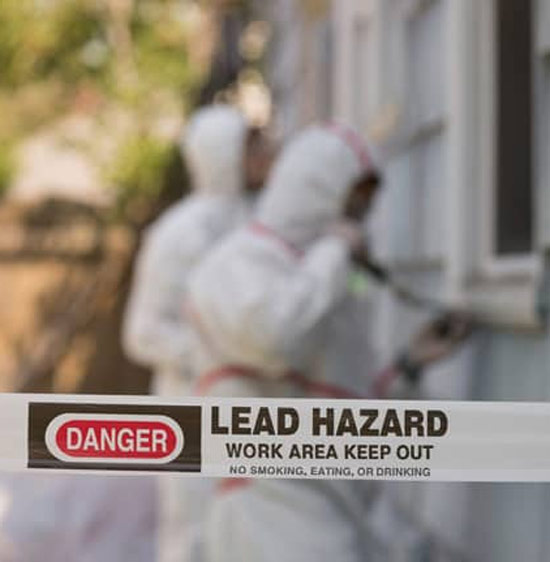
The preliminary action in execution is to safeguard the site. This consists of establishing up containment locations to prevent lead dust and particles from spreading, in addition to using air filtration systems to preserve air top quality. Next, continue you could try these out with the elimination of lead-based materials. Use approaches such as damp scraping, chemical stripping, or encapsulation, depending upon the extent and location of the contamination. It is necessary to comply with safety procedures, including the use of individual safety tools (PPE) and proper disposal of dangerous materials.
Throughout the remediation process, conduct periodic evaluations and air high quality keeping an eye on to make certain conformity with governing criteria. Reliable interaction with stakeholders, consisting of building proprietors and owners, is crucial to keep them informed of progress and any unanticipated growths. By diligently adhering to these actions, the removal activities can be performed effectively and efficiently, ultimately mitigating lead hazards.
Post-Remediation Strategies
Post-remediation approaches play a critical duty in making sure the long-lasting success of lead infraction remediation initiatives. These methods include ongoing surveillance, upkeep, and neighborhood education to avoid future lead direct exposure and make certain a safe atmosphere.
First, routine tracking is important. This entails routine testing of the previously influenced locations to make certain that lead levels continue to be within risk-free limits. Homeowner need to establish a timetable for these tests, preferably in partnership with certified ecological professionals.

Third, enlightening the area plays a crucial function in sustaining the advantages of remediation. Locals and residential or commercial property supervisors must be notified about the threats of lead direct exposure and the best practices for keeping a lead-safe environment. Workshops, educational pamphlets, and neighborhood meetings can be efficient devices for disseminating this details.
Conclusion
Effective lead offense remediation needs a comprehensive, methodical approach including discovery and analysis of contamination, adherence to legal and regulative criteria, meticulous planning, and reliable implementation of remediation efforts. Post-remediation approaches, including continuous tracking and area education and learning, are vital to sustain a lead-safe environment. Partnership with ecological specialists ensures continuous compliance and security of public wellness. This systematic procedure underscores the significance of thoroughness and caution in resolving and mitigating lead contamination.